The 256 Odus of Ifá: a complete guide to the system
The map of the 16 Odu Meji shows the spine of the corpus: which sixteen are the principal ones and in what order they come. This guide looks at the whole system, all 256. How sixteen shapes multiply to that number, how the name of an Odu is read, how the sources rank the 240 combined figures, where the name Omoluo we use on this site comes from, and what the authors say an Odu is not. The list of the sixteen is not repeated here; it is on the map.
Sixteen shapes, two halves
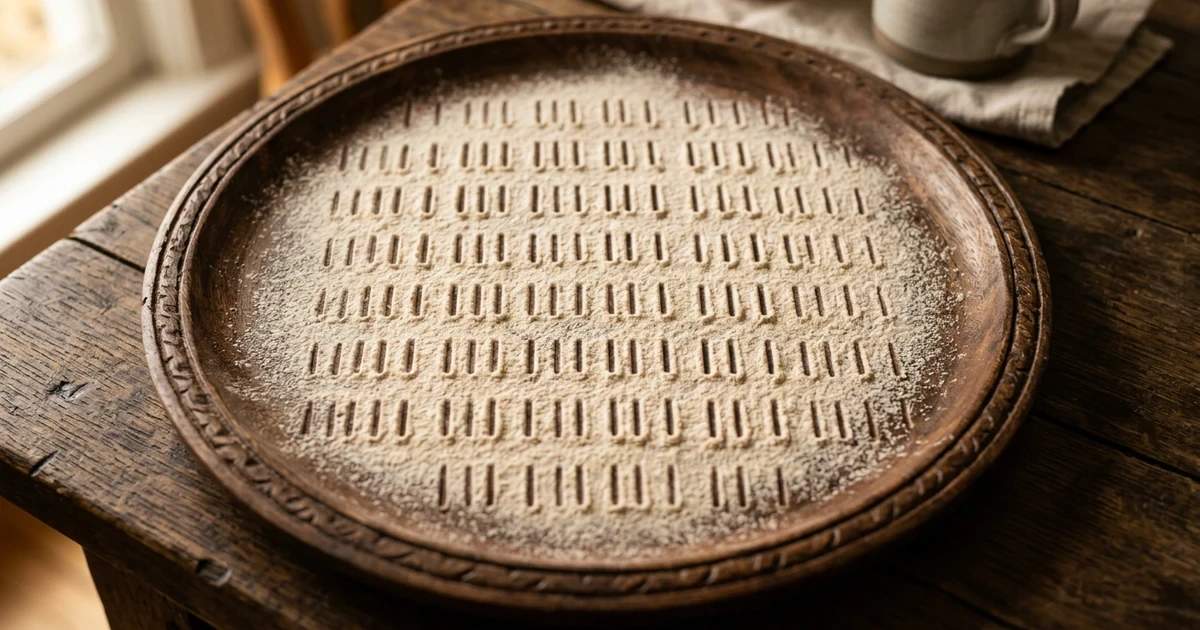
Everything starts with a column of four marks. Each mark is single or double, and four such marks can only be arranged in sixteen ways: these are the sixteen basic forms (Bascom, Ifa Divination, p. 41). A complete Odu has two columns side by side. Any of the sixteen forms can fall on the right and any on the left, and sixteen times sixteen makes 256 (p. 41). Abímbọ́lá does the same arithmetic and names the difference: when both columns are the same, the Odu is one of the sixteen principal ones; when they differ, it is one of the 240 minor ones (Abímbọ́lá, Sixteen Great Poems of Ifá, p. 14).
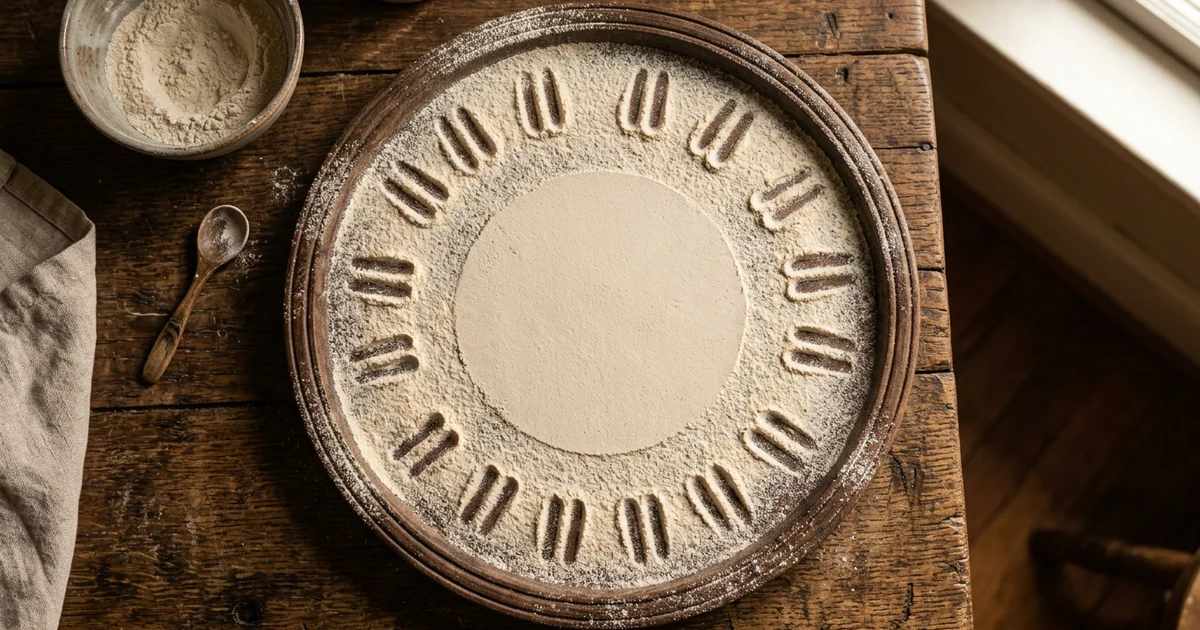
The marks come from two instruments. With the ikin, the sixteen palm nuts, the babalawo holds the handful in one hand and tries to take it all with the other; if one nut is left, he draws two marks in the powder on the tray, if two are left, he draws one, and he repeats this eight times (Bascom, p. 40; Abímbọ́lá, p. 13). With the opele, the chain of eight half seed shells, a single cast gives the whole figure (Bascom, p. 42). Bascom notes that the chain is regarded as inferior, but that the two systems use the same figures, with the same names, the same order and the same verses (p. 42).
How the name of an Odu is read
The name of a combined Odu joins the names of its two halves, and the right one comes first. Bascom records that the right half is considered male and stronger, and the left one female (p. 40). The order is not a detail: Okanran Irete and Irete Okanran are two different figures, with different predictions and sacrifices, which is why the babalawo must orient the tray and the chain with care (p. 41). When both halves are the same, the name carries Meji, "double"; only the first breaks the rule and is called Eji Ogbe, with the shortened form of the word (Abímbọ́lá, p. 14).
And what do the names mean? Bascom is blunt: the meaning is unknown. Some recall Yoruba words, but with other tones, and the puns in the verses that pretend to explain a name are not to be taken seriously as etymology (p. 43). What the diviners he heard say is something else: the figures are named after men who lived when Ifá was on earth (p. 30, note 3). They are mythical characters who appear in the verses as diviners and protagonists, but they are not worshipped as deities (p. 47).
Sixteen major, 240 minor
Abímbọ́lá calls the sixteen principal figures Oju Odu and the 240 Omo Odu or Amulu Odu, and says that the former are far more senior than the rest (Abímbọ́lá, p. 29). Bascom records other names: olodu for the doubles and amulu for the combinations, and confirms that the sixteen outrank the 240 (Bascom, p. 42).
There is also an order among the combined figures, but it is less firm. Bascom builds a table of precedence for the first sixty-one and warns at once that this order is "by no means certain" (pp. 49–50). One example of the doubts: which combined figure is the most senior? Abímbọ́lá says it is Ogbeyeku, the most important of the minor ones (p. 14). Among Bascom's informants, some gave that place to Ose Otura, the messenger of the doubles, and others to Ogbe Oyeku, whom one verse calls "father of combinations" (Bascom, p. 49). The page for Ogbe Oyeku is on the site.
Omoluos: the name that comes from the Tratado
On this site, the 240 combined figures are called Omoluos. The name comes from the Cuban tradition, and the Tratado Enciclopédico de Ifá tells where it comes from in a story that appears in two entries. The sixteen Meyis (the Cuban spelling of Meji) were quarrelling because each believed that he alone represented Olofin on earth. Olofin gathered them and said this could not be: a single Odu does not live on the earth, and their children would not be Meyis like their fathers. They would be Omoluos, a name the Tratado translates as "children of kings", and any awo, Meyi or Omoluo, would represent him (Tratado, pp. 399 and 2469).
The Meyis said that they were all there. Olofin answered that one was missing, the one he had sent for. The one who arrives last arranges the sixteen Meyis in an ivory shell, places himself in the middle of Oragun and explains his choice with Olofin's own words: the Meyis are not the only ones who rule the earth. All of them bow before him, the first Omoluo to represent Olofin (pp. 399 and 2469). Oragun is the Tratado's form; Abímbọ́lá records that the sixteenth Odu is also called Orangun Meji (Abímbọ́lá, p. 30).
The detail that matters is who arrives. In the entry for Oyekun Nilogbe, it is Oyekun Nilogbe (p. 399); in the entry for Ogunda Biode, the same scene has Ogunda Biode in the role (p. 2469). We do not choose between them. Both are in the Tratado, each on its own page, and the pages for Oyeku Ogbe and Ogunda Ogbe show the rest of each entry.
Each Odu, a chapter
Abímbọ́lá describes the corpus as 256 chapters and says that each Odu has hundreds of verses associated with it (Abímbọ́lá, pp. 29–30). For Bascom, the core of the system lies in these thousands of memorised verses, which matter more than the figures themselves or the way they are obtained (Bascom, p. 11).
Hence the most useful warning he leaves about the 256: to say that a figure is "good" or "bad", or that it corresponds to one prediction, one sacrifice or one deity, is a gross oversimplification of the system. The verses of a single figure carry predictions of both kinds, sometimes in the same verse (pp. 42–43). And when informants from different towns link each figure to a deity, their lists hardly agree (p. 43). Bascom also undoes the exaggeration in the other direction: some have written of 4,096 or more figures, and the system allows exactly 256, no more and no less (p. 42).
One last piece of arithmetic. With a good chain, each figure has the same chance of falling, one in 256. The diviners do not think in terms of probability: for them, it is Ifá who controls the fall of the seeds, and any interference from the hand or the instrument garbles the message (Bascom, p. 30).
Where the ikin come from
The first poem Abímbọ́lá publishes (poem i, in Abímbọ́lá's numbering) tells the origin of the instrument. Orunmila had eight children, all of them kings. At a ceremony, the youngest, the Olowo, refused to greet him and dressed exactly like his father. Orunmila took his staff from him and went back to heaven, and the earth fell into famine and disorder. The children went to beg him to return. He did not return: he gave them the sixteen sacred palm nuts and told them to consult them whenever they wanted money, wives or children (Abímbọ́lá, pp. 51–53). For Abímbọ́lá, this is how the system was born, with the ikin as intermediaries between people and Orunmila (pp. 53–54). We read this poem in the Study Orunmila, the owner of Ifá.
What this guide does not do
- It does not tell you which Odu is yours. That is the work of the babalawo, and no text replaces it.
- It does not list the 256 here: the library has all of them, each with its own page.
- It does not give any Odu a keyword, for the reason Bascom explains above.
- It does not fix the order of the 240: the sources disagree, and we say where.
What you have read here is rooted in the 256 Odus of Ifá — the corpus we study verse by verse. Read them as contemplation: real divination belongs at the table of a consecrated babalawo.
Sources consulted
- Ifa Divination: Communication between Gods and Men in West Africa — William Bascom, pp. 11, 30, 40–43, 47, 49–50 (printed)
- Sixteen Great Poems of Ifá — Wándé Abímbọ́lá, pp. 13–14, 29–30, 51–54 (printed)
- Tratado Enciclopédico de Ifá, pp. 399 and 2469 of the PDF
Written by
- Pablo de Lima (Awofakan)
- Thaiana de Lima (Ikofá)
A couple initiated in Ifá in the Cuban lineage — Regla de Ocha / Ifá.
Meet the authors →Last reviewed:
Get the wisdom in your inbox
One new article a week on Orishas, Odus and Yoruba philosophy. No spam.
Unsubscribe anytime, one click from any email.
Comments
Loading comments...
You need to sign in to comment.