What Is Ifá? The Ifá Oracle, the 256 Odus and the Babalawo
Ifá, often searched for as the Ifá oracle, is the divination system of the Yoruba, based on sixteen basic figures and 256 derivative ones, the Odus (Bascom, Ifa Divination, p. 3). The same word names a divinity, also called Orunmila, and a vast body of oral poetry that the priests, the babalawos, learn by heart over many years (Abímbọ́lá, Sixteen Great Poems of Ifá, pp. 2, 10–11). This guide brings together what the sources say about each of these layers, points to where you can study further on the site, and states plainly what we do not claim. It is study, not consultation.
A short definition
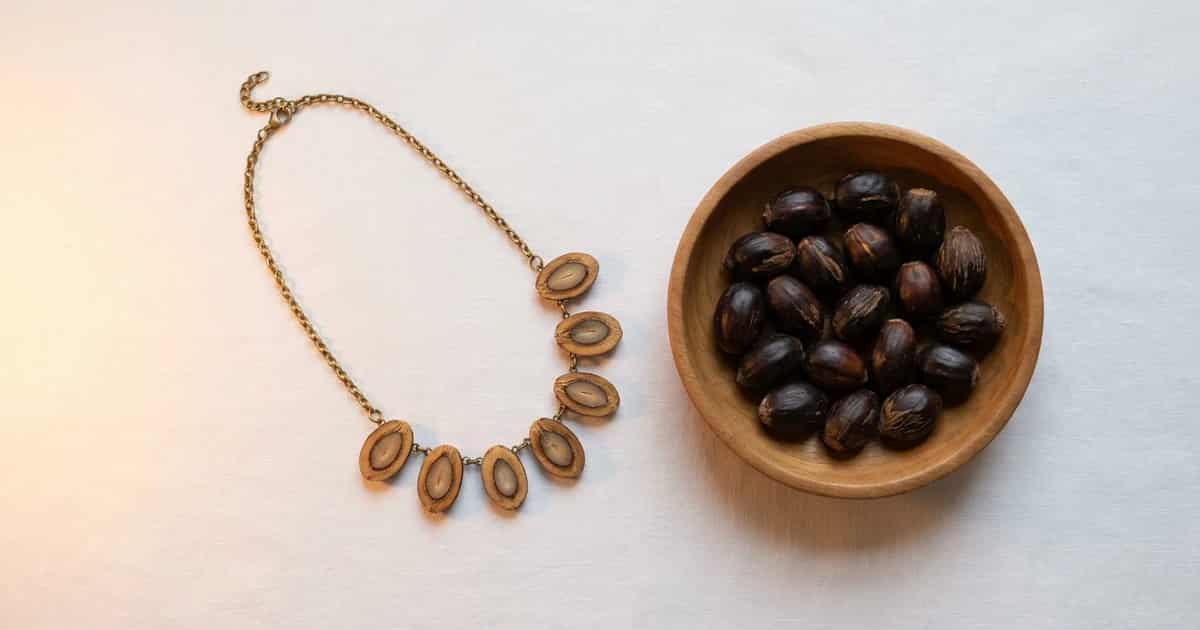
For William Bascom, Ifá is a system of divination: the sixteen basic figures and the 256 derivative ones are obtained by manipulating sixteen palm nuts, the ikin, or by tossing a chain, the opele, of eight half seed shells. The worship of Ifá as the god of divination involves ceremonies, sacrifices, taboos, drums, songs, praises and initiation comparable to those of the other Yoruba cults (Bascom, Ifa Divination, p. 3).
Wande Abímbọ́lá adds that today the name Ifá refers both to the divinity and to his instruments (Abímbọ́lá, p. 2). He calls the Ifá corpus the most important of the genres of Yoruba oral literature, a kind of unwritten textbook of Yoruba culture (p. vii).
Ifá, then, is three things that travel together: a divinity, a method of divination and an oral library.
Orunmila and the babalawo
The divinity. Abímbọ́lá begins with names: Ifá is also known as Orunmila, and some have supposed that "Ifá" first referred to the instruments and "Orunmila" to the divinity's personal name (Abímbọ́lá, p. 2). According to the myth he summarises, Ifá came down from Orun to Ifé with the other divinities, and his task was to shape the young earth with his wisdom (pp. 2–3). He lived in Ifé and later in Adó, had eight children and taught them the secrets of divination; an insult from his youngest son made him return to Orun, and in his place remained the sixteen palm nuts (pp. 3–4). That is the story of the first poem in the collection, which we retell in the Orunmila Study.
The Yoruba believe that Ifá witnessed each person's choice of destiny, and so they consult him at the birth of a child, at marriage, at the installation of a chief and at death; he is, in Abímbọ́lá's words, the mouthpiece of all the other divinities (p. 4). Pierre Verger records the same role: Orunmila is the witness of people's destiny and is therefore called Eléèrì Ípín (Verger, Orixás, p. 56 of the PDF). Who he is, with his names and the different classifications, is on the Orunmila page.
The priest. The Ifá cult is called awo, "secret", and the priest is the babalawo, which Abímbọ́lá translates as "father of the secrets" (p. 5). Verger calls the babalawos the spokesmen of Orunmila and describes their initiation as entirely intellectual, a long apprenticeship in which memory is the main tool (Verger, p. 56 of the PDF). Abímbọ́lá gives the measure: the trainee learns by heart at least sixteen verses from each of the 256 Odus before presenting himself for initiation, and the training takes ten to twenty years, plus at least five more after initiation (Abímbọ́lá, pp. 10–11). He also records that women can be initiated as priestesses of Ifá, although few undertake the long training (pp. 7–8); he is describing Nigeria. In Cuba, David H. Brown records that the Hand of Orula is called awofacá for men and kofá or ikofafún for women, and that a woman who receives it may act as an apetebí, an assistant of Orula (Brown, Santería Enthroned, p. 346, note 130).
The corpus: 256 Odus and hundreds of verses
The Ifá corpus has 256 chapters, the Odus. Sixteen are the major ones, the Oju Odu, and 240 are the minor ones, the Omo Odu in Abímbọ́lá's spelling, which on this site we call Omoluos. There is a strict order of seniority, and Eji Ogbe is the first and most important of all (Abímbọ́lá, p. 29). Each Odu has hundreds of poems, the ese; the longest are called "great poems of Ifá", and each ese has eight parts, four obligatory and four in which the priest narrates in his own words (p. 30). Verger sums up the whole as a kind of oral encyclopedia of the traditional knowledge of the Yoruba-speaking people (Verger, p. 56 of the PDF).
To see the sixteen major Odus side by side, read the guide The 16 Odu Meji, start with Ogbe, the first, or browse the library of the Odus.
The instruments
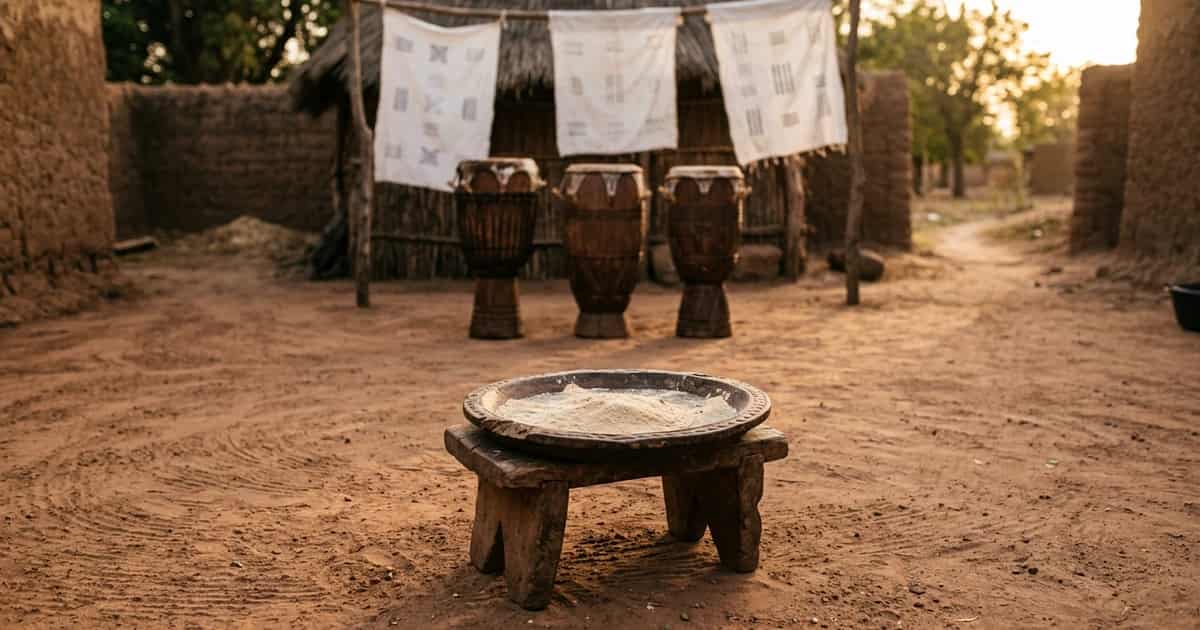
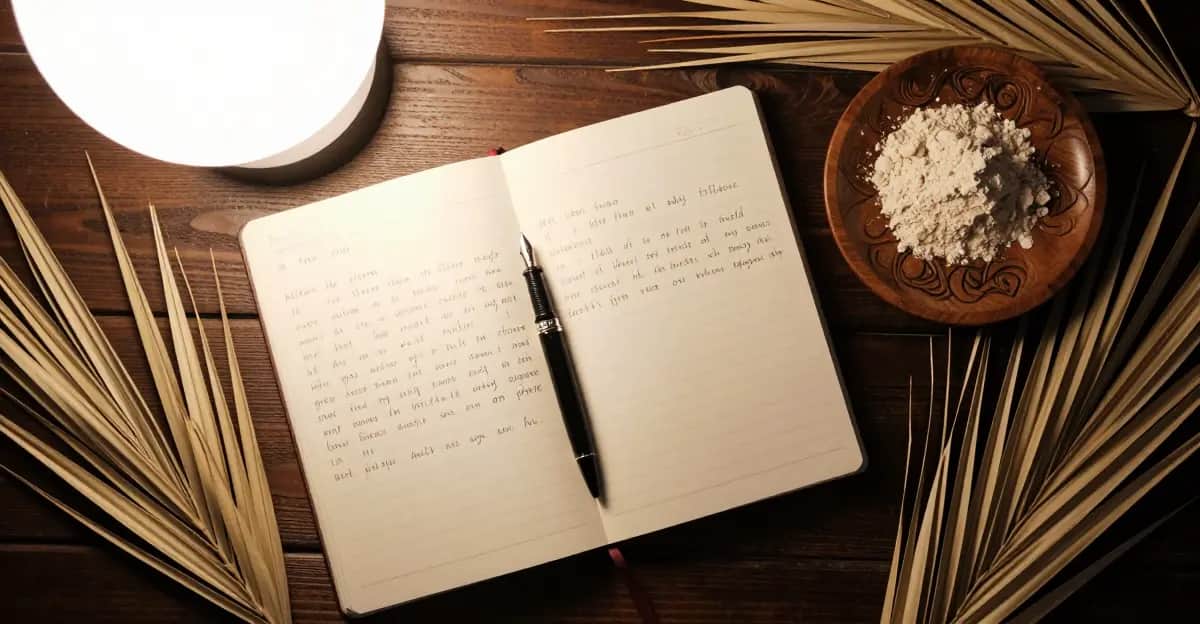
The ikin, the sixteen palm nuts, are the oldest and most important instrument: according to the myth, it was with them that Orunmila replaced himself on earth (Abímbọ́lá, p. 12). The opele is a chain with eight half seeds, four on each side (p. 15); it is easier to handle and to carry, so the babalawo uses it more for private consultations and keeps the ikin for public and ritual occasions (p. 16). The marks of the ikin are drawn on iyerosun, a yellowish powder (p. 16), spread on the opón, the wooden tray on whose rim the image of Eshu is carved (p. 18). Verger describes the same pair: the ikin, more elaborate, and the opele, simpler (Verger, p. 56 of the PDF).
Cowries are another system. Verger says there are systems derived from that of Ifá but with no link to Orunmila: in one of them sixteen cowries are used, and it is Eshu who answers (Verger, p. 57 of the PDF). The differences are in the guide Opele, Ikin and cowries.
Ifá in the diaspora
Bascom records Ifá among the Yoruba and the Benin Edo of Nigeria, among the Fon of Dahomey, who call it Fa, and among the Ewe of Togo, who call it Afa; the Fon and the Ewe acknowledge Ifé as its place of origin (Bascom, p. 3). He adds that Ifá is also practised, under that name, by the descendants of enslaved Yoruba in Cuba and Brazil (p. 3).
In Cuba, David H. Brown shows that the founders of the Lucumí religion belonged to two branches of the priesthood, the Regla de Ocha and the Regla de Ifá, the latter being that of the babalawos (Brown, Santería Enthroned, p. 69). In Brazil the story took another course, which we tell in Is Ifá Candomblé?.
In 2005 UNESCO proclaimed the Ifá divination system, nominated by Nigeria, and in 2008 inscribed it on the Representative List of the Intangible Cultural Heritage of Humanity (UNESCO record, accessed 6 October 2026).
Study, not divination
In Abímbọ́lá's description, a consultation is a conversation: the querent speaks silently to the instruments, the babalawo arrives at an Odu and chants the verses he knows from it, and it is the querent who stops him at the verse that concerns his case; then come the interpretation and the sacrifice (Abímbọ́lá, pp. 23–24). None of this happens here.
This site studies. The Odu of the Day is a deterministic rotation, the same for everyone, and it was not cast for you. The study tool is an artificial intelligence that helps you read the Odus; it has no ase and does not perform divination. Real divination belongs at the table of a consecrated babalawo.
To keep studying: the glossary explains the terms, the sources page lists the works we use, and the piece on Orí goes deeper into the idea of destiny, which in Abímbọ́lá's collection has a poem of its own, "Ori As Each Individual's Personal Orisa" (p. 158).
What we do not claim
- We give Ifá no age: none of the works we consulted fixes a date.
- We do not explain the origin of the word "Ifá": Abímbọ́lá records only the hypothesis that the name first referred to the instruments (p. 2); the reading "fa = to attract" does not appear in the works we consulted.
- We do not say that Orunmila organised the 256 Odus: the sources describe him as the owner of Ifá and the witness of destiny, but we did not find that claim in them.
- We do not prescribe ẹbọ. Abímbọ́lá records that every Ifá poem has a corresponding sacrifice, which the babalawo indicates to the querent (p. 25); what to offer and how belongs to that table, not to this page.
- We do not say that Ifá complements science: it was a sentence of ours, without a source, and it is gone.
- We do not deal with the title Iyanifá or with the debate between lineages about it: the works we consulted do not address it.
Frequently asked questions
What does the word Ifá mean?
Today it names both the divinity, also called Orunmila, and his instruments (Abímbọ́lá, p. 2). The etymology is not in the works we consulted.
Is Ifá a religion?
It is a divination system with a cult of its own: Bascom describes ceremonies, sacrifices, songs and initiation comparable to those of the other Yoruba cults (Bascom, p. 3).
Who can become a babalawo?
Whoever completes the training: ten to twenty years of apprenticeship, at least sixteen verses of each Odu learned by heart, and initiation (Abímbọ́lá, pp. 10–11). Abímbọ́lá also records priestesses of Ifá, in Nigeria (pp. 7–8); in Cuba, a woman who receives the Hand of Orula may act as an apetebí (Brown, p. 346, note 130).
Are Ifá and cowries the same thing?
No. The babalawo uses ikin and opele; the sixteen cowries are a derived system, with no link to Orunmila, in which Eshu answers (Verger, p. 57 of the PDF).
Can I consult Ifá on this site?
No. Here you study the Odus; consultation is the work of a consecrated babalawo.
What you have read here is rooted in the 256 Odus of Ifá — the corpus we study verse by verse. Read them as contemplation: real divination belongs at the table of a consecrated babalawo.
Sources consulted
- Ifa Divination — William Bascom, p. 3
- Sixteen Great Poems of Ifá — Wándé Abímbọ́lá, pp. vii, 2–5, 7–8, 10–12, 15–16, 18, 23–25, 29–30, 158
- Orixás — Pierre Fatumbi Verger, pp. 56–57 of the PDF
- Santería Enthroned — David H. Brown, pp. 69, 346
- Ifa divination system (Lista Representativa do Patrimônio Cultural Imaterial) — UNESCO
Written by
- Pablo de Lima (Awofakan)
- Thaiana de Lima (Ikofá)
A couple initiated in Ifá in the Cuban lineage — Regla de Ocha / Ifá.
Meet the authors →Last reviewed:
Get the wisdom in your inbox
One new article a week on Orishas, Odus and Yoruba philosophy. No spam.
Unsubscribe anytime, one click from any email.
Comments
Loading comments...
You need to sign in to comment.