Yemoja (Yemayá): Yoruba Orisha of the Sea and Motherhood
Odô Iyá! Yemoja is the Great Mother of the Yoruba tradition — Orisha of salt waters, of the oceans, of universal motherhood, and of emotional healing. In Yoruba, her name — Yemọja — means "Mother whose children are fish" (yeye = mother, omo = children, eja = fish). She is one of the most beloved divinities in the entire African pantheon and across the diaspora, especially in Brazil, where her festival on February 2nd mobilizes millions in Salvador and in every coastal city.
Who Yemoja Is
Yemoja is the cosmic womb from which all waters sprang. In Yoruba cosmology, she is often described as the mother of many Orishas — including Shango, Ogun, Oshosi, Oshun in some lineages — and as the protector of all children, of fishermen, of sailors, and of anyone who needs shelter in moments of emotional storm.
Her presence is felt in any body of salt water: from the calm ocean in the morning to the rough sea during the tempest. Yemoja teaches that emotional depth is strength, not weakness — and that any pain can be crossed when we have somewhere to anchor.
In Brazilian Candomblé she is syncretized with Our Lady of the Seafarers (in the South) or with Our Lady of the Conception (in the Northeast), and in Umbanda she is known as the "Mermaid of the Sea" or "Little Mother."
Sacred Attributes
Everything about Yemoja speaks of blue, silver, and depth:
- Colors: light blue, white, silver, and in some houses light pink
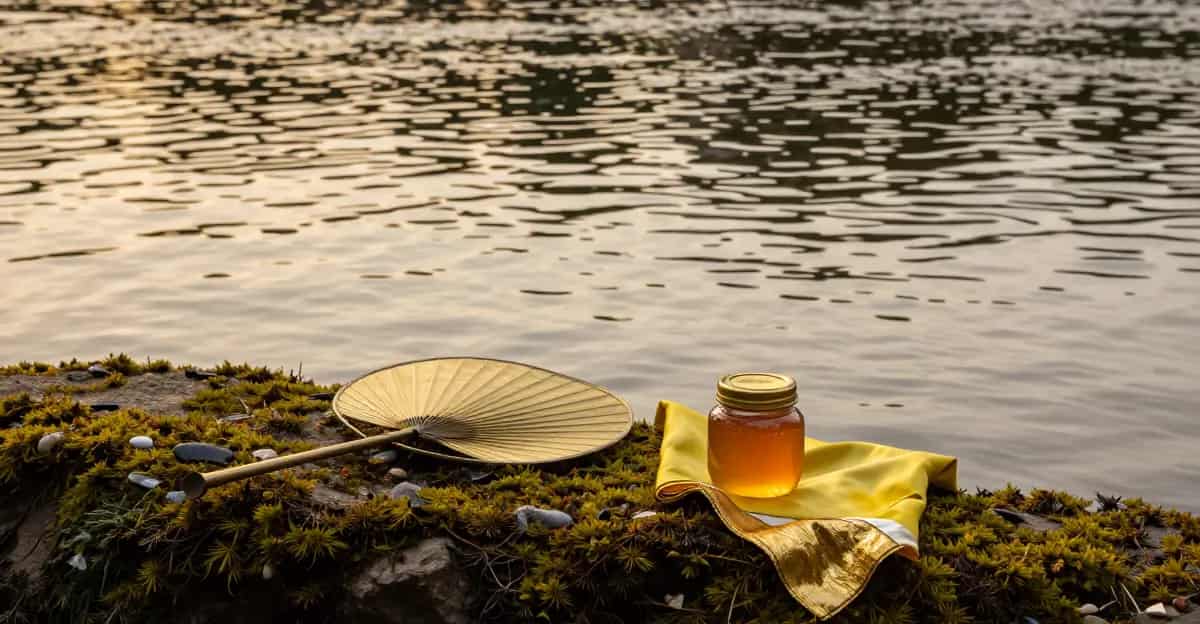
- Symbols: the abebé (a circular fan of silver or light metal), shells, starfish, mermaid
- Day of the week: Saturday
- Votive foods: manjar branco (white coconut pudding), fish, fruits (especially apples, watermelon, white grapes), sweet rice
- Elements: the sea, the foam, the salt breeze, the full moon
- Stones: white quartz, aquamarine, pearls
- Salutation: Odô Iyá! (Mother of the River) or Omi Odô! (Waters of the River)
The classic image of Yemoja depicts her as a mermaid or as a serene woman dressed in blue and white, holding the abebé, with the sea as a backdrop. But it is important to know: in the original Yoruba tradition, Yemoja is not the goddess of the sea — she is the goddess of the Ogun River in Nigeria. The association with the ocean was born in the diaspora, when enslaved Africans arrived in the Americas and saw in the sea the symbolic path back to the motherland.
The February 2nd Festival
The largest Iemanjá festival in the world takes place in Salvador, Bahia, every February 2nd, in the Rio Vermelho neighborhood. Thousands of fishermen, baianas, and devotees descend to the beach carrying baskets full of offerings:
- White flowers (roses, lavender, palm leaves)
- Mirrors, combs, and perfumes
- Letters of requests rolled up in ribbons
- Porcelain dolls representing the Queen
- Soaps, brushes, earrings, necklaces
The baskets are taken on boats that head out to the open sea, where they are delivered to the waters. The festival begins at dawn and stretches into the night, with music, dance, beer, Catholic Masses, Umbanda and Candomblé gatherings. It is one of the largest Afro-Brazilian religious festivals — and one of the moments in which Brazil most explicitly honors its Yoruba roots.
In other states the tradition is also strong: Rio Grande do Sul celebrates Iemanjá on February 2nd with the Festa de Nossa Senhora dos Navegantes; Praia Grande and the São Paulo coast also have enormous celebrations.
Mythology (Itans)
The Ese Ifá and the Yoruba Itans tell several stories about Yemoja. One of the most well-known:
Yemoja was married to Orunmila, then to Ogun, and had many children who became Orishas. When her children grew up and left to create the world, she wept so much that her tears formed the rivers. When she learned that her children would not return, her tears became the ocean — vast and deep enough to contain all of her longing.
This story teaches about maternal grief and about the way a mother's love transcends physical separation. Yemoja is often invoked by those who have lost children, by those who suffer the longing for distant loved ones, and by those who need to cry until empty before being able to continue.
Another important Itan tells how Yemoja taught humans to use the abebé — the mirror-fan — to see reflections of the soul. When someone contemplates themselves in Yemoja's abebé with sincerity, she shows the truth that the person was avoiding. That is why so many emotional healing rituals in the tradition use mirrors.
Yemoja Across Cultures: Nigeria, Cuba, and Brazil
Yemoja's energy has been preserved in three great traditions of the Yoruba diaspora, with different names and emphases.
1. In Nigeria — Yoruba Tradition
In Yoruba land, Yemọja is the divinity of the Ogun River (not of the ocean), in what is today the region of Abeokuta and Ibadan. Her temples are small shrines beside the river, where women leave offerings asking for fertility, health for their children, and maternal protection. The main festival takes place annually on the riverbanks.
2. In Cuba — Santería / Regla de Ocha
In Cuban Santería she is known as Yemayá and is one of the Seven African Powers. Her home is the ocean, and she is considered the mother of all Orichas. She is syncretized with La Virgen de Regla (Our Lady of Regla), patroness of the port neighborhood of Havana. Her festival in Cuba is on September 8th, the Nativity of Our Lady: the vigil is held the evening before, on the 7th, and the procession goes out through the streets of Regla the next morning (Verger, Orixás, pp. 70 and 72).
3. In Brazil — Candomblé and Umbanda
In Candomblé, Iemanjá is the Queen of the Sea, and her grand festival in Salvador's Rio Vermelho mobilizes hundreds of thousands of people every year. In Umbanda, she leads the Linha das Águas Salgadas (Line of the Salt Waters) — a phalanx of feminine entities (Marias, Queens, Mermaids) who bring emotional healing, the dissolution of old sorrows, and protection of children. She is syncretized with Our Lady of the Conception or Our Lady of the Seafarers depending on the region — and the same Our Lady of the Conception, in some Umbanda houses, is associated with Oxalá. The overlap is not an error: syncretism varied by region and by house, and more than one Orisha may share the same saint.
How to Honor Yemoja
For those who wish to draw close to Yemoja with respect, without the need for formal initiation:
- Go to the sea. Walk along the water's edge, let the foam touch your feet. Simply being with her is itself a form of greeting.
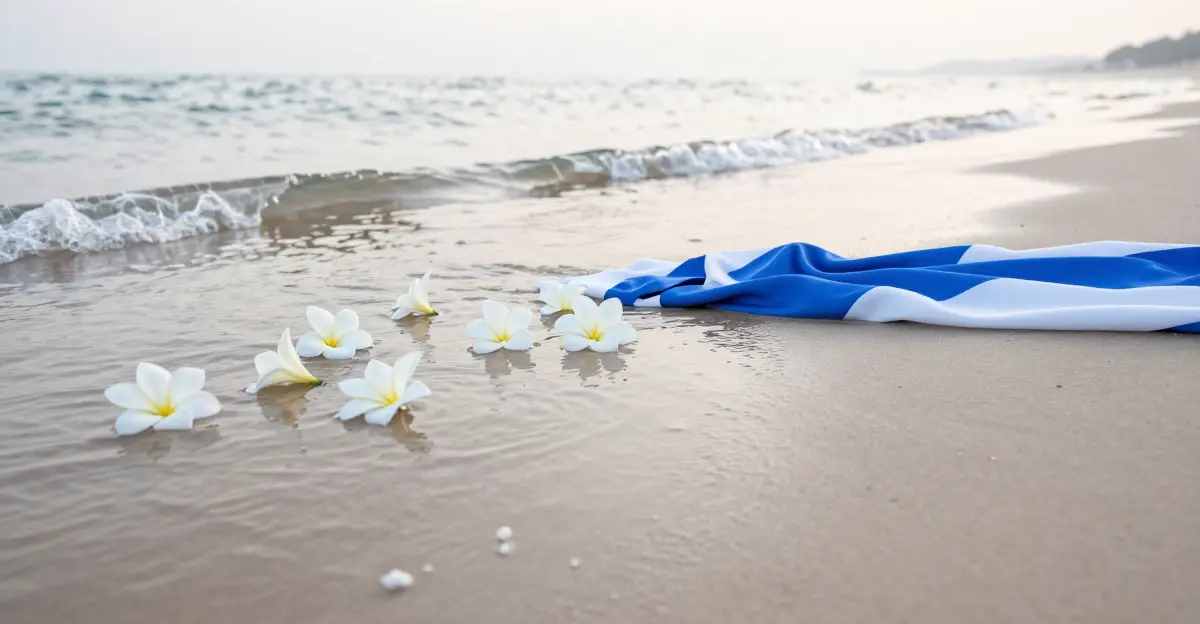
- Offer white flowers. In the ocean, in a river, or on a home altar with a bowl of salt water and white flowers.
- Wear blue and white on Fridays and Saturdays. It is a silent way to honor her in everyday life.
- Care for the waters. Do not pollute, do not throw trash into the sea — Yemoja is in every wave. Caring for the oceans is caring for her.
- Allow yourself to cry. Yemoja is the Mother who receives every tear. In difficult moments, letting emotion flow is one of the deepest forms of devotion.
"Where there is sea, there is a lap. Where there is a lap, there is healing. Where there is healing, there is Yemoja."
Odô Iyá! May the salt waters dissolve what needs to leave and bring back what needs to be born. May the Queen of the Sea receive you, embrace you, and remind you that no pain runs deeper than the love she has for you.
What you have read here is rooted in the 256 Odus of Ifá — the corpus we study verse by verse. Read them as contemplation: real divination belongs at the table of a consecrated babalawo.
Sources consulted
- Orixás — Pierre Fatumbi Verger, pp. 70 and 72
Written by
- Pablo de Lima (Awofakan)
- Thaiana de Lima (Ikofá)
A couple initiated in Ifá in the Cuban lineage — Regla de Ocha / Ifá.
Meet the authors →Last reviewed:
Get the wisdom in your inbox
One new article a week on Orishas, Odus and Yoruba philosophy. No spam.
Unsubscribe anytime, one click from any email.
Comments
Loading comments...
You need to sign in to comment.