Oshosi (Ochosi): Orisha of the Forest and the Hunt
Okê Arô! Oshosi is the Orisha of the forest, the silent hunter, and the abundance that comes from the earth. In Yoruba, his name is spelled Òṣọ́ọ̀sì (also Ọ̀ṣọ́ọ̀sì), and he is one of the most venerated deities in Brazilian Candomblé, Cuban Santería, and the Nigerian Ìṣẹ̀ṣe tradition. Here you'll discover who Oshosi is, his Yoruba salutations, his mythology, and how to honor this ancestral force in your everyday life.
Who is Oshosi
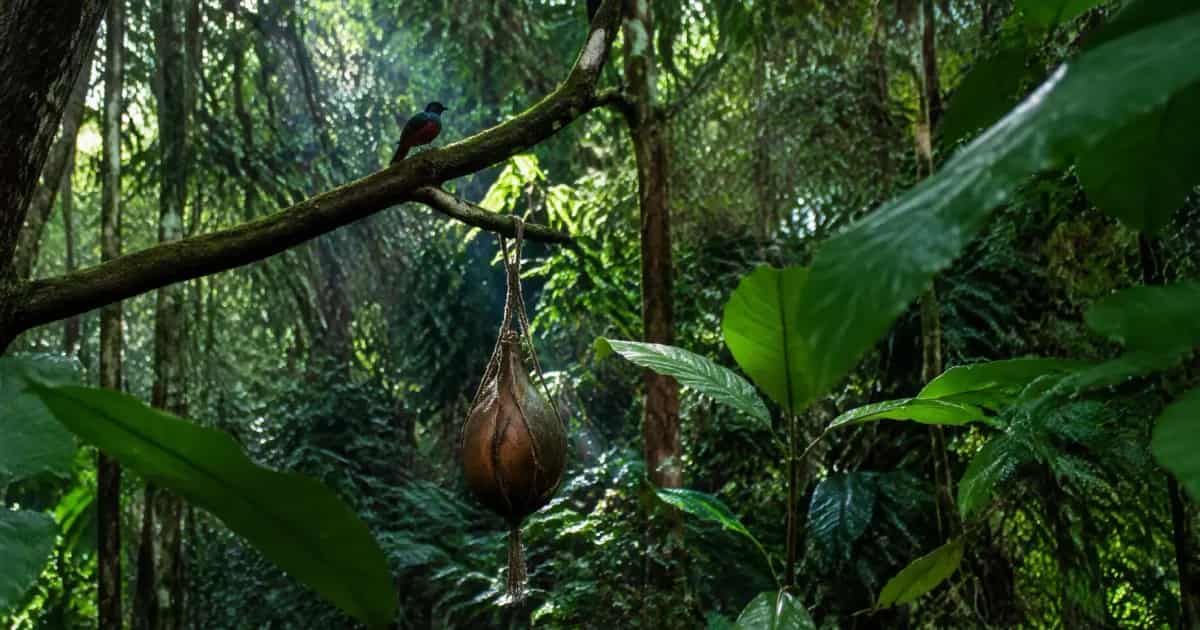
Oshosi is the Orisha of the forests, the herbs, the wild animals, and the hunt. He represents sharp intelligence, precision, focus, and the ability to provide sustenance. In some African traditions, he is considered a deified king of the city of Ketu, in the ancient Yoruba kingdom, and is therefore called Alákétu — "Lord of Ketu."
In the narratives of the diaspora he appears often as a son of Yemoja; in the Itans of Ifá the parentage varies with the path, and names such as Yemoo and Apaoka are cited too. What holds across every version is the brotherhood with Ogun, who forged his weapons, and the company of Eshu at the crossroads of the forest. Oshosi is the archetype of the provider. He hunts not out of cruelty, but out of necessity and balance. Where there is hunger, Oshosi brings abundance. Where there is confusion, he brings the precise arrow of decision.
In Afro-Brazilian syncretism, Oxóssi was associated with Saint Sebastian (in Rio de Janeiro) and Saint George (in Bahia, in some houses).
Sacred Attributes
The force of Oxóssi manifests through specific symbols you will see in any terreiro:
- Colors: turquoise blue, light green, white, and forest tones
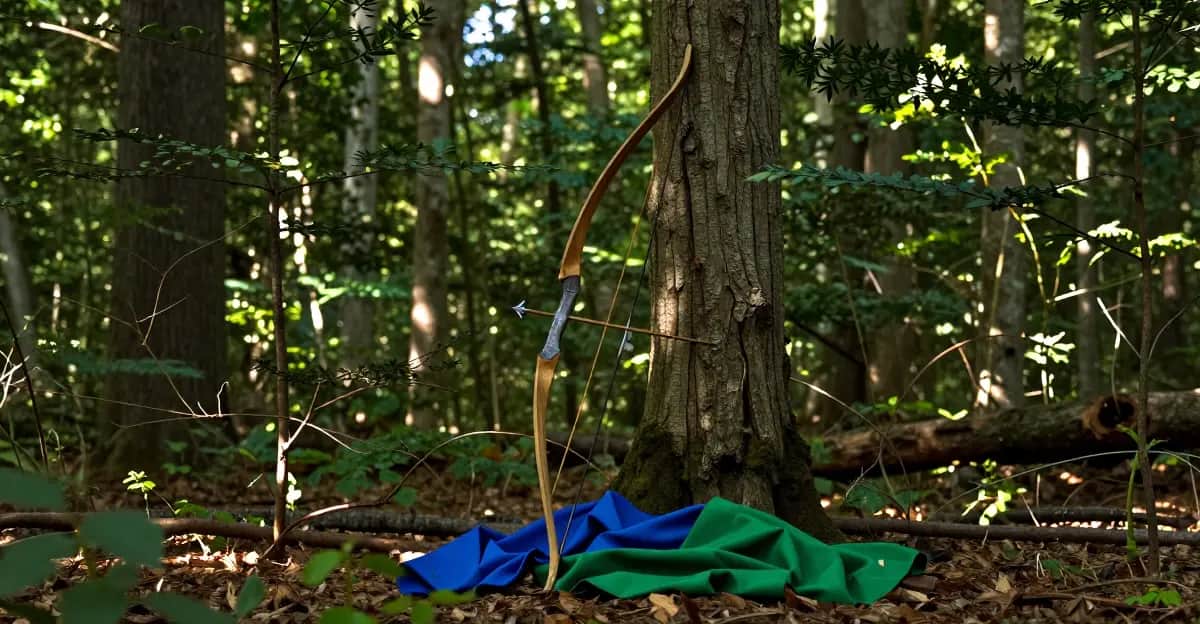
- Main symbol: the Ofá — metal bow and arrow
- Other symbols: the Eruquerê (horsetail flywhisk), the hunting knife, and the buffalo horn
- Day of the week: Thursday (in some houses, Monday)
- Elements: the forest, green leaves, wild animals
- Votive foods: Axoxô (corn cooked with coconut), fresh fruits, honey
- Salutation: Okê Arô! or Okê Arô Odé!
The arrow of Oshosi symbolizes the thought that hits the target. When you need clarity to decide, his energy is the one you invoke.
Mythology (Itans)
The Itans are the sacred stories that teach Yoruba philosophy. One of the most famous about Oshosi tells how he became king.
The Bird of Olofin
Tradition tells that Olofin (a manifestation of Olódùmarè) celebrated an annual feast. One year, strange birds began destroying the kingdom's harvest, and no hunter could shoot them down. The king summoned every hunter in the territory — those with one arrow (a younger Oshosi), those with three arrows, and those with seven arrows.
The seven-arrow hunters failed. The three-arrow ones too. Only Oshosi, with his single precise arrow, was able to bring down the magical bird that threatened the kingdom. As a reward, he was crowned king and given the title of Alákétu.
This Itan teaches that precision is worth more than quantity. It is not the abundance of attempts that wins — it is total concentration on what matters.
Oshosi and Osanyin
Another story tells of the deep alliance between Oshosi and Osanyin, the Orisha who owns the heart of the forest and every secret of the leaves. Oshosi is master of the trails and of the animals, but it is the respect and the permission of Osanyin that let him walk the dense bush without losing himself or being charmed by the spirits of the trees. Without the blessing of the leaf, the hunt brings no prosperity. Without Osanyin, Oshosi's hunt would be only food, without healing.
Oshosi Across Cultures: Nigeria, Cuba and Brazil
Oshosi's energy crossed continents and adapted to three great traditions of the Yoruba diaspora, each one preserving distinct facets of the divine hunter.
1. In Nigeria — Yoruba Tradition
In his homeland, Òṣọ́ọ̀sì is the king-Orisha of the city of Ketu (in present-day Benin/Nigeria) and patron of traditional hunters. He is often associated with Ọ̀rúnmìlà in divination and considered an Orisha of profound knowledge — not only of the prey, but of the territory, the seasons, and the secrets of the forest. In Ketu, his worship involves offerings of roasted yam, toasted corn, and honey.
2. In Cuba — Santería / Regla de Ocha
In Cuban Santería he is known as Ochosi and is part of the Guerreros (Warriors) — the set of four Orishas (Elegguá, Ogún, Ochosi, and Osun) that every initiate receives in the first phase of initiation. Ochosi is the hunter, but also the enforcer of justice — the one who pursues thieves and liars, and who finds what is hidden. His altar includes a miniature iron bow and arrow.
3. In Brazil — Candomblé and Umbanda
In Candomblé, Oxóssi is the king of the Ketu Nation — the Brazilian branch of the Yoruba tradition most connected to the homeland. His feasts are marked by dances that mimic the hunt, with the hunter imitating the movement of spotting the prey, drawing the bow, and shooting. He syncretizes with Saint George or Saint Sebastian depending on the region. In Umbanda, Oxóssi leads the Linha de Oxóssi — a phalanx of caboclo spirits who bring messages of healing through herbs and protection of the forest.
Yoruba Salutations
To salute Oshosi is to open communication with the energy of the forest. The most common phrases are:
Okê Arô!
This is the main salutation. Okê means "elevated," "on high"; Arô is an exclamation of joy associated with the victorious hunter. Together, it is like saying: "Hail the hunter on high!"
Arole Okê Arô Odé!
Odé means "hunter" in Yoruba. This longer salutation is used during festivals.
Short Oriki of Oshosi
Òṣọ́ọ̀sì, ọdẹ ata matase, Onígbó Olúwa ẹranko, Ó wọ igbó já ẹranko wá fún wa. Àṣẹ!
Translation: "Oshosi, hunter who never misses the arrow, owner of the bush and lord of animals, he enters the forest and brings sustenance to us. Ase!"
How to Honor Oshosi
You don't need to be initiated to respect Oshosi's energy. Some simple ways to honor him:
- Care for nature. Planting a tree, keeping a garden, respecting animals — all of it is a living offering to Oshosi.
- Eat fresh fruits and corn. Axoxô is his sacred dish; eating it with gratitude nourishes the connection.
- Practice focus. Before making important decisions, breathe deeply and visualize the arrow hitting the target. Ask for Oshosi's clarity.
- Wear green and turquoise blue when you need material prosperity and mental clarity.
- Walk in the forest or in tree-lined parks. The energy of trees is Oshosi's realm.
When you feel a lack of direction, remember: Oshosi is the hunter who knows how to wait for the right moment. Haste ruins the hunt. Patience reveals the path.
Okê Arô! May Oshosi bring abundance, focus, and the precise arrow of decision into your life.
What you have read here is rooted in the 256 Odus of Ifá — the corpus we study verse by verse. Read them as contemplation: real divination belongs at the table of a consecrated babalawo.
Sources consulted
- Mitologia dos Orixás — Reginaldo Prandi
- Orixás — Pierre Fatumbi Verger, pp. 49–52
Written by
- Pablo de Lima (Awofakan)
- Thaiana de Lima (Ikofá)
A couple initiated in Ifá in the Cuban lineage — Regla de Ocha / Ifá.
Meet the authors →Last reviewed:
Get the wisdom in your inbox
One new article a week on Orishas, Odus and Yoruba philosophy. No spam.
Unsubscribe anytime, one click from any email.
Comments
Loading comments...
You need to sign in to comment.