Obatala: Yoruba Orisha of Creation, Peace and Justice
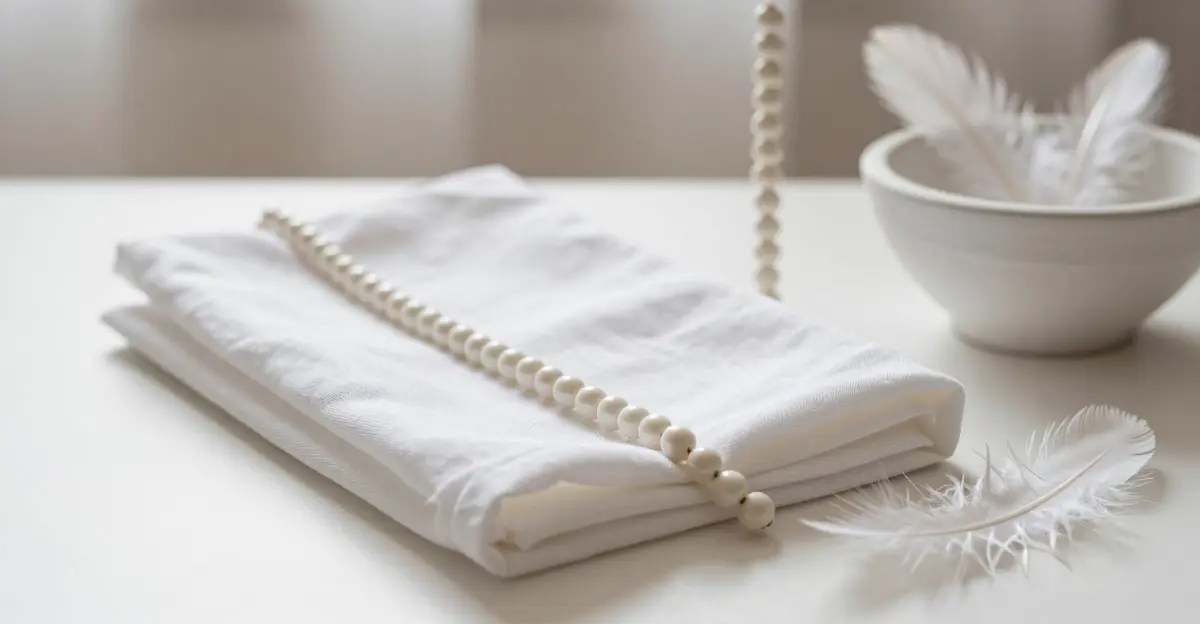
Epa Babá! Obatala is the great father of humankind, the Orisha of creation, peace, and serene justice. In Yoruba, his name — Ọbàtálá — means "King of the White Cloth" (oba = king, àlà = white cloth). He is the supreme elder, the one who shaped human bodies from clay at Olódùmarè's request. In Brazil, he is better known as Oxalá, and he is one of the most respected deities across the Yoruba pantheon.
Who is Obatala
Obatala is considered the father of all funfun Orishas (the white Orishas) and, in many itans, the father of all human beings. He represents absolute calm, the wisdom that comes with age, infinite patience, and moral clarity. Where there is hatred, Obatala asks for peace. Where there is haste, he asks for silence. Where there is injustice, his soft voice weighs more than any thunder.
In Brazilian Candomblé, he is syncretized with Jesus Christ (Senhor do Bonfim) and worshipped in the great Bahian feasts. His presence is in any act of pacification, in any silent gesture of healing, in any head that bows to reflect before acting.
Obatala is the owner of the Orí — the spiritual head, the inner destiny of every person. To care for one's own head (literally and symbolically) is to worship Obatala.
The Color White and Purity
Everything about Obatala is white. White is not just aesthetic — it is a philosophy.
- Colors: absolute white (and silver in some houses)
- Symbols: the Opaxorô (silver staff with a dove on top), the Alá (white cloth that covers everything sacred)
- Day of the week: Friday
- Votive foods: Ebô (white hominy), yam, unsalted bread, milk
- Elements: pure air, clouds, high mountains
- Salutation: Epa Babá! or Exê Babá!
White symbolizes the beginning of everything, the cloth on which there is still no stain, the original state of consciousness. Wearing white on Fridays is a way to honor Obatala and ask for peace throughout the week.
Oxalufã and Oxaguiã
In Brazil, Obatalá manifests in two main qualities, and you should know both:
Oxalufã (Old Oxalá)
Ọbàtálá Lùfọ̀n is the bent elder, walking supported by the Opaxorô. He represents accumulated wisdom, experience, and pause. He is slow because he no longer rushes to prove anything. His dance is leisurely, with the body bent forward. When life calls for contemplation, Oxalufã arrives.
Oxaguiã (Young Oxalá)
Ọbàtálá Ògiyán is the young warrior, the yam pestle, the Orisha who eats and fights. He is the dynamic face of Obatalá — still white, still a peacemaker, but with the energy of youth. His main feast involves pounded yam (iyan), and his dance is firm and rhythmic.
Both are the same Obatalá at different moments of existence. Honoring both means understanding that peace has phases — the phase of strength and the phase of contemplation.
Mythology of Creation
The most famous Itan about Obatala tells how he received from Olódùmarè the mission to create the Earth.
In the beginning, there was only sky and the primordial waters. Olódùmarè handed Obatala a chain, a bit of earth inside a snail shell, a five-toed hen, and a palm tree. Obatala was to descend through the sky and create dry land.
Before leaving, however, he drank palm wine and fell asleep. Seeing the delay, Olódùmarè handed the mission to Oduduwá, who descended, threw the earth over the waters, released the hen (which spread the earth with its feet), and planted the palm tree. When Obatala woke up and descended, the Earth was already made.
As compensation, Olódùmarè gave Obatala another, even more delicate task: to mold the bodies of human beings from clay, before Olódùmarè breathed Emí (vital breath) into them.
This Itan teaches two things. First: even an Orisha can fail — and failure has consequences. Second: Obatala's true work is internal, it is the human form, the structure of consciousness. He shapes who you are within.
Obatala Across Cultures: Nigeria, Cuba and Brazil
Obatala's energy crossed the Atlantic through the transatlantic trade of enslaved people and took root in three great traditions, each one preserving different aspects of the same ancestral Orisha.
1. In Nigeria — Yoruba Tradition
In Ilé-Ifẹ̀, the sacred city considered the cradle of the Yoruba world, Obatala is venerated as Ọbàtálá or Ọrìṣàńlá ("Great Orisha"). He is the father of all the funfun (white) Orishas and patron of artists, sculptors, judges, and healers. His temples guard the original Opaxorô, and the priesthood is strictly vegetarian, avoiding palm wine and salt — out of respect for the Itan of creation.
2. In Cuba — Santería
In Cuban Santería, he is known as Obbatalá and considered the "owner of all heads" (orí). When someone is initiated and the tutelary Orisha is not clear, it is almost always Obbatalá who claims that head — because he is the universal father. His feasts are marked by impeccable white clothing, and his necklace (eleke) has 24 white beads. He syncretizes with Nuestra Señora de las Mercedes (Our Lady of Mercy).
3. In Brazil — Candomblé and Umbanda
In Candomblé he is worshipped as Oxalá, with the two main qualities (Oxalufã and Oxaguiã). His greatest feast is the Lavagem do Bonfim in Salvador, where millions wear white and wash the steps of the church with perfumed water. In Umbanda he leads the Linha de Oxalá, syncretized with Jesus Christ (Senhor do Bonfim) or Our Lady of the Conception, depending on the house — the same saint whom, in the Northeast, Candomblé associates with Iemanjá. The overlap is not an error: syncretism varied by region and by house. His entities bring messages of peace, healing, and wisdom.
Taboos and Care
Worshipping Obatala requires respecting his taboos (ewó) — sacred limits that protect the white energy:
- No salt in the foods offered. Salt is burning energy; Obatala asks for the sweet and the pure.
- No dendê. Red palm oil is the energy of Eshu, Ogun, Oya — not of Obatala.
- No strong alcohol (remember the Itan: wine made Obatala lose the mission).
- No bright colors when approaching him. White, always.
- Respect silence. Obatala does not respond to shouting; he responds to patient silence.
Those who have Obatala as their head Orisha tend to be calm and balanced people, with a strong sense of justice and a deep difficulty with aggression.
How to Worship Obatala
You do not need to be initiated to honor Obatala. A few simple and powerful practices:
- Wear white on Fridays. It is the oldest and most respected form of greeting.
- Eat white hominy or yam on that day, with gratitude.
- Practice silence. Five minutes of conscious silence feed the Orí.
- Take care of your head. Wash it calmly, think before speaking, sleep early.
- Make peace. When there is a conflict that will not pass, ask in silence: "Epa Babá, bring peace to this situation."
Obatala teaches that true strength does not shout. Whoever is truly strong speaks softly, walks slowly, and never loses clarity. When you feel the world rushing too fast, remember: the elder of the white cloth is seated, waiting for you to sit too.
Epa Babá! May Obatala bring peace, clarity, and justice to every path of your life.
What you have read here is rooted in the 256 Odus of Ifá — the corpus we study verse by verse. Read them as contemplation: real divination belongs at the table of a consecrated babalawo.
Sources consulted
- Mitologia dos Orixás — Reginaldo Prandi
- Orixás — Pierre Fatumbi Verger, pp. 95–107
Written by
- Pablo de Lima (Awofakan)
- Thaiana de Lima (Ikofá)
A couple initiated in Ifá in the Cuban lineage — Regla de Ocha / Ifá.
Meet the authors →Last reviewed:
Get the wisdom in your inbox
One new article a week on Orishas, Odus and Yoruba philosophy. No spam.
Unsubscribe anytime, one click from any email.
Comments
Loading comments...
You need to sign in to comment.