Ìwà Pẹ̀lẹ́: Good Character in Yoruba Philosophy
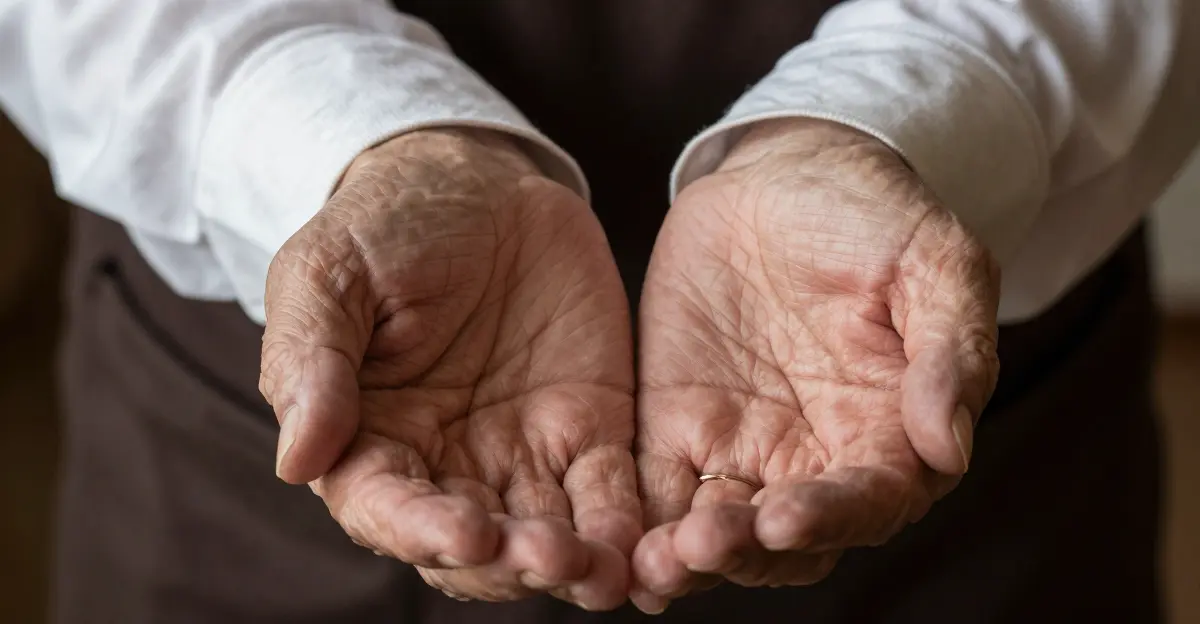
Ìwà l'ẹwà. "Character is beauty." Three Yoruba words that carry one of the most profound ideas any civilization has ever formulated: that a person's beauty lies not in their face, their clothes or their possessions — it lies in their ìwà, their character. One may be born with the most harmonious face in the world; without good character, the tradition says, that beauty is an empty gourd.
If Ifá had to be condensed into a single teaching — one alone, among the thousands of verses of the 256 Odus — it would be this: Ìwà Pẹ̀lẹ́, good character. Not the most generous offering, not the most precise ritual, not the longest prayer. Character. This article explains why.
What Does Ìwà Pẹ̀lẹ́ Mean?
The expression joins two Yoruba words:
- Ìwà — character, conduct, way of being. The word is kin to the verb wà, "to be", "to exist": in the Yoruba vision, character is not an accessory of the person — it is their very existence in action. You do not have a character; you are your character.
- Pẹ̀lẹ́ — gentle, serene, balanced. The same word the Yoruba use as a greeting of care, a "go gently".
Ìwà Pẹ̀lẹ́ is, therefore, the gentle and balanced character: the capacity to exist in the world without wounding needlessly, to answer life with serenity, to treat every person — and every thing — with the right measure of respect. It is neither weakness nor passivity: it is strength under control, like a mighty river that runs within its own banks.
"Character Is Destiny": The Itan of Orunmila and Ìwà
The tradition keeps a beautiful itan about this. In it, Ìwà — Character — appears personified as a woman:
Ìwà was the daughter of Sùúrù, Patience, the firstborn of Olodumare. Her beauty was serene, and Orunmila, the lord of wisdom, desired her as his wife. They married, and while Ìwà lived in his house, everything prospered: paths opened, clients sought him out, abundance came through the door.
But with time, Orunmila grew accustomed. He stopped treating Ìwà with the tenderness of the early days; he became impatient, harsh, inattentive. And Ìwà, who does not argue or fight — Ìwà simply left, back to her father's house.
Then everything withered. Orunmila's wisdom remained intact, his instruments were the same, his rituals flawless — yet nothing flourished. Those who sought him no longer found peace in his word. Orunmila understood: without Ìwà, all the rest is husk.
He went out into the world in search of her, dressed in humility. And when he finally found her, in the house of Sùúrù, he learned the lesson he was missing: Ìwà is not won once — she is cultivated every day, with the same patience that begot her.
The teaching is direct: character can be lost through neglect, and with it goes everything it sustained. Wisdom without character does not counsel; power without character destroys; wealth without character rots. And the way back always passes through the house of Sùúrù — patience.
This itan, and the reading of ìwà pẹ̀lẹ́ as the heart of Ifá ethics, were documented and studied by the babalawo and professor Wándé Abímbọ́lá, the foremost academic authority on the corpus — his works are among the sources behind what we read here.
The Four Pillars of Good Character
Yoruba ethics is not a code of commandments — it is a cultivation. Four virtues sustain Ìwà Pẹ̀lẹ́:
- Òtítọ́ — truth. To speak the truth, but also to live in truth: to be within what one shows without. The verses of Ifá warn that the lie may win the race, but the truth wins the war.
- Sùúrù — patience. The father of Ìwà. In the tradition, patience is not passive waiting: it is the strength not to answer evil with evil, to let time reveal what haste conceals.
- Ìrẹ̀lẹ̀ — humility. To recognize that no one is greater than their own Orí, but that no Orí prospers alone. Pride closes the paths that humility opens.
- Inú rere — the good heart. Genuine generosity, the good intention that expects no audience. It is the pillar that turns the other three into concrete life: without a good heart, even truth becomes a weapon.
Notice that none of the pillars is a ritual. All are ways of existing — decisions made a hundred times a day, in small things, when no one is watching.
Ìwà Pẹ̀lẹ́ and Western Ethics: A Difference at the Root
The moral philosophy of the West, of Greek and Christian matrix, tends to ask: "what must I do?" — and answers with rules, duties, commandments. Yoruba ethics asks a prior question: "who must I be?"
The difference is deep. In an ethics of rules, the good person is the one who does not transgress. In the ethics of ìwà, the good person is the one who has become good — who has polished their own character until acting well ceased to be effort and became nature. That is why the tradition says Ìwà l'ẹwà, character is beauty: because character, like beauty, is not an isolated act. It is a form. It is what you are when no one asks.
And there is another difference: in the Yoruba vision, good character is not rewarded in heaven — it is rewarded in life itself, because Ìwà Pẹ̀lẹ́ keeps the person aligned with their destiny (Orí) and with the Ase that circulates through all things. Bad character is not a "sin" that offends a distant god: it is disharmony that closes one's own paths.
Why Rituals Without Character Do Not Work
Here is the point that separates the deep tradition from superstition. Ifá is categorical: the offering of a person of bad character is not accepted. The verses repeat this in many forms — one may deceive the priest, but not the Orisha; one may buy the sacrifice, but not the result.
This inverts the magical logic many expect to find in traditional religions. In Ifá, the ritual is not a coin that buys favors: it is a seal upon a commitment — and the commitment is one of conduct. The ebó opens the path; the one who walks it is character. To make offerings and keep lying, betraying and despising others is like painting the door of a house whose beams are rotten.
That is why the elders say the first ebó is ìwà. Before offering anything to the Orisha, offer a better character to the world. If you are beginning your path in Ifá, keep this: no initiation, no consecration, no consultation replaces the slow, daily work of becoming a better person. Everything else is tool; Ìwà Pẹ̀lẹ́ is the work itself.
How to Cultivate Ìwà Pẹ̀lẹ́ in Daily Life
- Begin with words. The mouth is character's first territory. A whole day without lying, without wounding and without speaking of what one does not know is already a silent ebó.
- Practice the slow answer. Between stimulus and reaction, let one breath pass. It is in that tiny space that Sùúrù, patience, does her work.
- Do good without an audience. One kindness no one saw is worth more, to the ìwà, than ten that were applauded.
- Repair what you break. Having good character is not never erring — it is recognizing quickly, repairing truly, and not repeating out of carelessness.
- Choose company that pulls your ìwà upward. Character, like water, takes the shape of the vessel where it spends the most time.
"Ìwà l'ẹwà — character is beauty. Youth passes, wealth circulates, titles stay on doors. What a person carries, and what they leave, is the ìwà. Whoever cultivates good character has built the only house no storm can bring down."
May Orunmila, who once also had to relearn this lesson, grant you the patience of Sùúrù, the beauty that does not age, and the serenity of those who make their own character their finest offering.
What you have read here is rooted in the 256 Odus of Ifá — the corpus we study verse by verse. Read them as contemplation: real divination belongs at the table of a consecrated babalawo.
Sources consulted
- Ifá: An Exposition of Ifá Literary Corpus — Wándé Abímbọ́lá, pp. 33 and 34
Written by
- Pablo de Lima (Awofakan)
- Thaiana de Lima (Ikofá)
A couple initiated in Ifá in the Cuban lineage — Regla de Ocha / Ifá.
Meet the authors →Last reviewed:
Get the wisdom in your inbox
One new article a week on Orishas, Odus and Yoruba philosophy. No spam.
Unsubscribe anytime, one click from any email.
Comments
Loading comments...
You need to sign in to comment.