Women in Ifá: apetebí, ikofá and what the sources say (and do not say)
"Can a woman be a babalawo?" is one of the questions that comes up most often when someone starts studying Ifá. The short answer depends on who is answering, and that is why this text does not begin with it. It begins with what the works we use record, each in its own place and time: Yorubaland from the 1930s to the 1970s, Bahia in the mid-twentieth century and Lucumí Cuba. They do not say the same thing, and the disagreement is part of the answer.
In Yorubaland: two sources, two answers
Wándé Abímbọ́lá writes in the introduction to Sixteen Great Poems of Ifá that women can also be members of the Ifá cult and be initiated as priestesses, but that few manage the long years of training required, mainly because of the demands of marriage and raising children. He adds that in every community there are a few important women who take an active part in the cult (Abímbọ́lá, p. 8).
William Bascom, who did fieldwork in Ife, Igana and Meko between 1937 and 1965, records something else. Among those who worship Ifá, he counts men who inherit the cult without becoming diviners, and women who are told to care for their father's ikin but who can never become babalawo: only men become babalawo, he writes (Bascom, Ifa Divination, p. 81). In Ife, no woman enters the alcove where the odu is kept, the object that marks the third grade of diviners (p. 82).
Both sources are serious and both speak from the field. We do not settle the difference by choosing one of them. We record both, with the page of each.
The "wife of Ifá"
Bascom also describes a female role that is not that of a diviner. A girl may be told in a consultation that she is a "wife of Ifá", meaning she should marry a babalawo. The diviner pays no bridewealth for her, and this counts as one of the "payments" that Ifá gives his priest. If she elopes with another man, it is believed that Ifá will "fight with her" until she returns; if the chosen babalawo is a close relative, she is released by an atonement and marries someone else (Bascom, pp. 89–90). Among the verses Bascom collected, three tell a woman to become a wife of Ifá and one announces the birth of a daughter who will marry a diviner (p. 74).
It is a place within Ifá, with its own rules. Bascom does not call it a priesthood.
In Bahia: the apetebí and Eshu's cowries
Roger Bastide, in O Candomblé da Bahia, explains that only the babalaô, as priest of Ifá, has the right to touch the opele and the palm nuts (Bastide, p. 141). And he tells a myth collected in Bahia: Ifá had so many people to see that he took an apetebí, who was Oshun; those who could not reach Ifá asked her to cast lots for them, and Oshun, who did not know how, insisted until Ifá prepared sixteen cowries and asked Elegba to answer through them (pp. 141–142).
Hence, according to Bastide, every babalaô has beside him a woman who is a daughter of Oshun, and not of just any Oshun: of the eldest of them. He insists that she is a priestess, "a kind of female babalaô", and not the diviner's lawful wife, although polygamy may make her one of his women (p. 142). The apetebís cast cowries, four or sixteen, and have no right to go beyond the sixteen "letters" (pp. 142–143). In a note, Bastide states that there can be no female babalaô: the post is exclusively male (p. 142, note 13).
Notice the instrument. Bastide's apetebí reads cowries, the oracle in which Eshu speaks, not the opele or the ikin of Ifá. The difference between the three is in the text on Opele, Ikin and cowries.
In Cuba: the women's hand of Orunmila
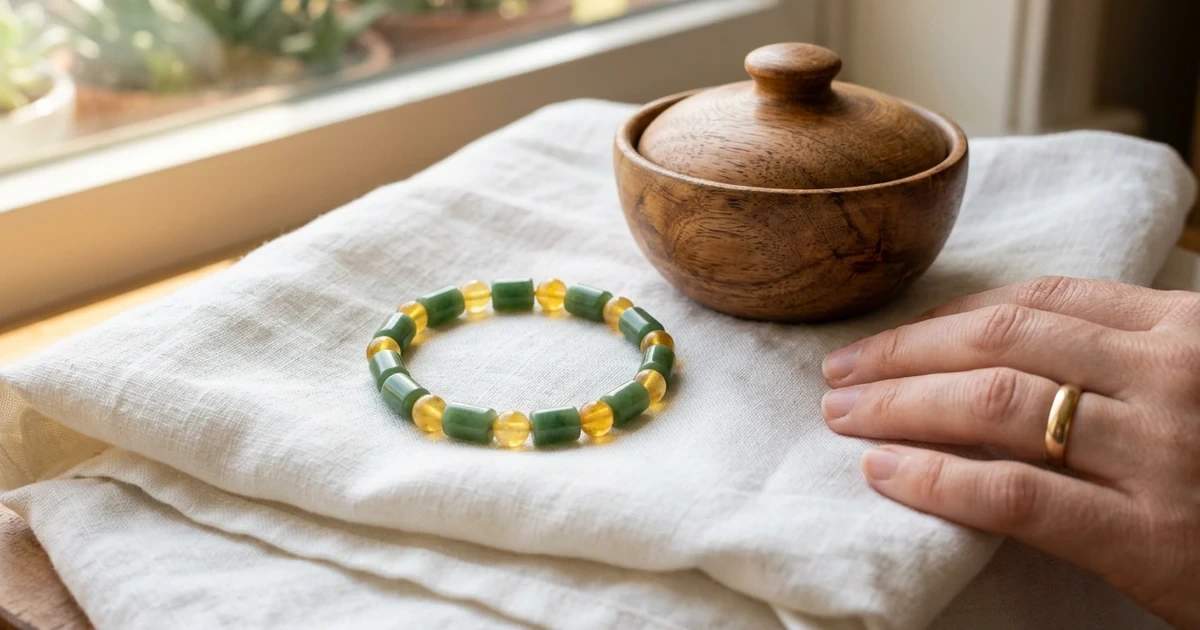
In the Cuban lineage, the word that matters is ikofá. David H. Brown, in Santería Enthroned, describes the hand of Orunmila as a necklace and a bracelet of green and yellow beads, plus a set of consecrated ikin, among other things, kept in a small sopera (Brown, p. 152). In a note he explains the names: the men's is called awofacá, the women's (i)kofá or ikofafún; men who receive it may "pass to Ifá", that is, be initiated as babalawos, and women who receive the ikofá are authorised to act as apetebí, the assistants of Orula and of the drum spirit, Añá, which often means cooking and serving food at Ifá initiations and drummings (p. 346, note 130). In his glossary, Brown defines the apetebí as the priestess who has received the ikofá, cares for Orunmila and is authorised to assist babalawos in their work (p. 367).
The Tratado Enciclopédico de Ifá places the ikofá inside the signs themselves. In Odi Meyi, the list of what is born in the sign includes "el ikofa eshanile" (Tratado, p. 14), and a patakí of the same Odu is called "Porque la obini del awo tiene que recibir ikofa": Yemoja lived with Orunmila, kept a prenda of eguns hidden and always put off receiving the ikofá; once found out, she took the prenda to the river, and Orunmila told her that to live with him she needed only the ikofá, "the true foundation of Orunmila's woman" (pp. 25–26). In Odi She "the ceremony of the apetevi" is born (p. 144). In Otura Irete, the Tratado says that here the woman devotes herself to the care of Orunmila and that the awo looks after the apetebí without sexual contact with her (p. 1771). And the Tratado records pairs like this one: in Oyekun Ojuani, it orders that the woman receive the ikofá and the man make Ifá (p. 435); in Ogunda Ofun, it says that the girl born of a certain pregnancy will be Orunmila's apetebí (p. 2679).
The name and Oshun
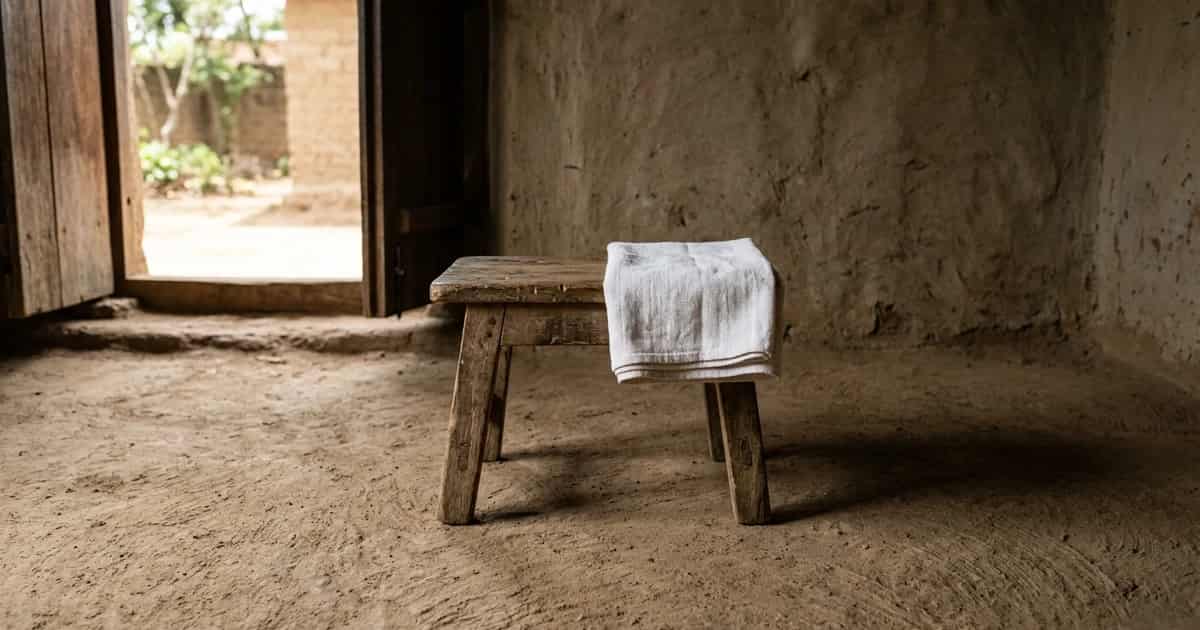
John Mason, in the Spanish edition of Orin Òrìṣà, says that apetebí is a special title given to Oshun because of her relationship with Orunmila, and tells why: Oshun, ill and cast out by society, was cured by Orunmila and went to live with him. Mason breaks the word down and translates it as "we kill the leprosy to be reborn"; the etymology is his. On the same page he records the Cuban custom of a daughter of Oshun serving food to the drummers and offering them water, soap and a towel (Mason, p. 47). José Beniste, in his dictionary, gives the word as "a female title in the cult of Ifá" (Beniste, p. 113). Pierre Verger, in Orixás, places Apetebí among the women Orunmila had relations with, alongside Oshun, and says it is the title used by the woman for divination (Verger, pp. 56–57 of the file).
Two sources from two places, Bastide in Bahia and Mason in Cuba, link the apetebí to Oshun. It is a convergence the works show; we add nothing to it.
What the sources do not say
The question of the Iyanifá, whom the site's glossary describes as the woman consecrated in Ifá who operates the oracle, has no answer in the works we have. The title does not appear in Abímbọ́lá, nor in the Tratado, nor in Bascom, Bastide or Brown. Abímbọ́lá's sentence about priestesses (p. 8) is the closest there is, and it does not use the word. Our editorial calendar pointed to Mary Ann Clark, Where Men Are Wives and Mothers Rule (2005), for this point; the book is not in our collection, so nothing from it went in here. The glossary entry also records the gap.
Nor do we say whether a house should or should not initiate women. The sources show different practices in different places and times; Brown describes the brotherhood of babalawos, in the Ifá-centred Cuban field, as exclusively male (p. 154). Who decides this in a house is the lineage, at the babalawo's table, not a website.
What remains
With page, the sources we have show that women have a place in Ifá, but that this place changes name and reach: a rare priestess in Abímbọ́lá, keeper of her father's ikin and "wife of Ifá" in Bascom, an apetebí who reads cowries in Bastide, an apetebí who has received the ikofá in Brown and in the Tratado. On full priesthood the works disagree, and the disagreement stays written. For those starting out, it is worth reading the beginner's guide and the text on babalawos and iyalorixás.
What you have read here is rooted in the 256 Odus of Ifá — the corpus we study verse by verse. Read them as contemplation: real divination belongs at the table of a consecrated babalawo.
Sources consulted
- Sixteen Great Poems of Ifá — Wándé Abímbọ́lá, p. 8 (printed)
- Ifa Divination: Communication between Gods and Men in West Africa — William Bascom, pp. 74, 81, 82, 89–90 (printed)
- O Candomblé da Bahia — Roger Bastide, pp. 141–143 (printed)
- Santería Enthroned — David H. Brown, pp. 152, 154, 346 (note 130) and 367 (printed)
- Orin Òrìṣà — John Mason, p. 47 (printed), Spanish edition
- Dicionário Yorubá-Português — José Beniste, p. 113 (printed)
- Orixás — Pierre Verger, pp. 56–57 of the file
- Tratado Enciclopédico de Ifá, pp. 14, 25–26, 144, 435, 1771 and 2679 of the PDF
Written by
- Pablo de Lima (Awofakan)
- Thaiana de Lima (Ikofá)
A couple initiated in Ifá in the Cuban lineage — Regla de Ocha / Ifá.
Meet the authors →Last reviewed:
Get the wisdom in your inbox
One new article a week on Orishas, Odus and Yoruba philosophy. No spam.
Unsubscribe anytime, one click from any email.
Comments
Loading comments...
You need to sign in to comment.