Umbanda and Candomblé: differences and similarities, with sources
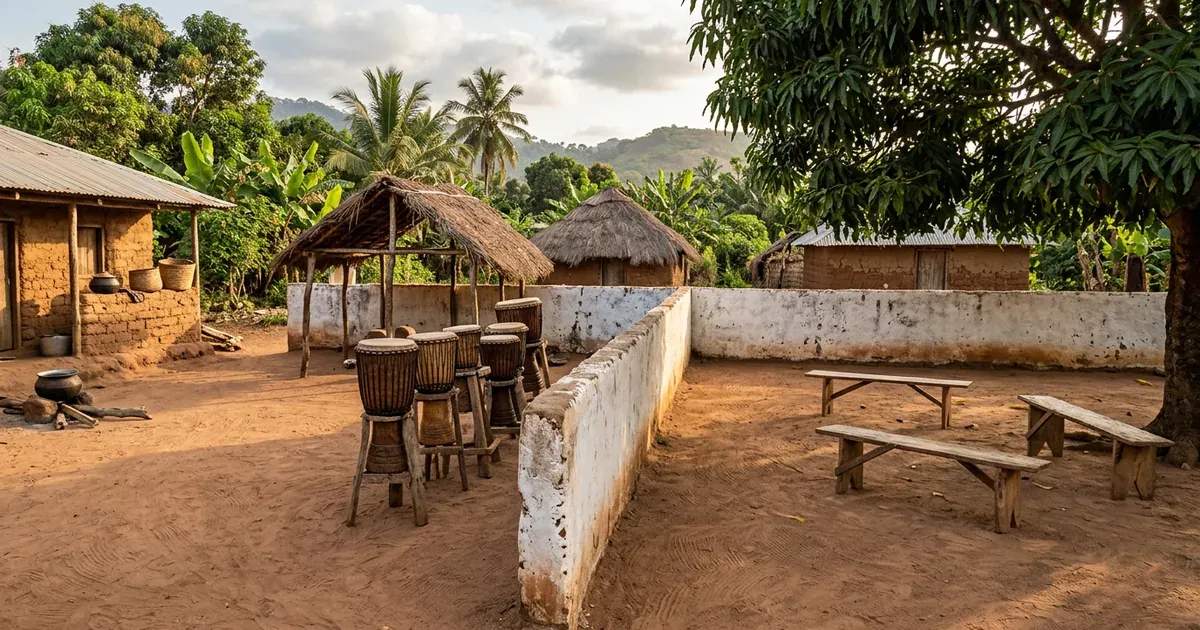
People who come to the subject from outside often hear the two words as if they were one. The names repeat: Eshu, Yemoja, Shango. So do the drums and the white clothes. Even so, the works we use on this site treat Candomblé and Umbanda as two different things, and this text shows that difference, with page numbers. A warning before we start: our library holds far more on Candomblé than on Umbanda. Where the sources stop, we stop, and we say so at the end.
The Candomblé that Bastide described
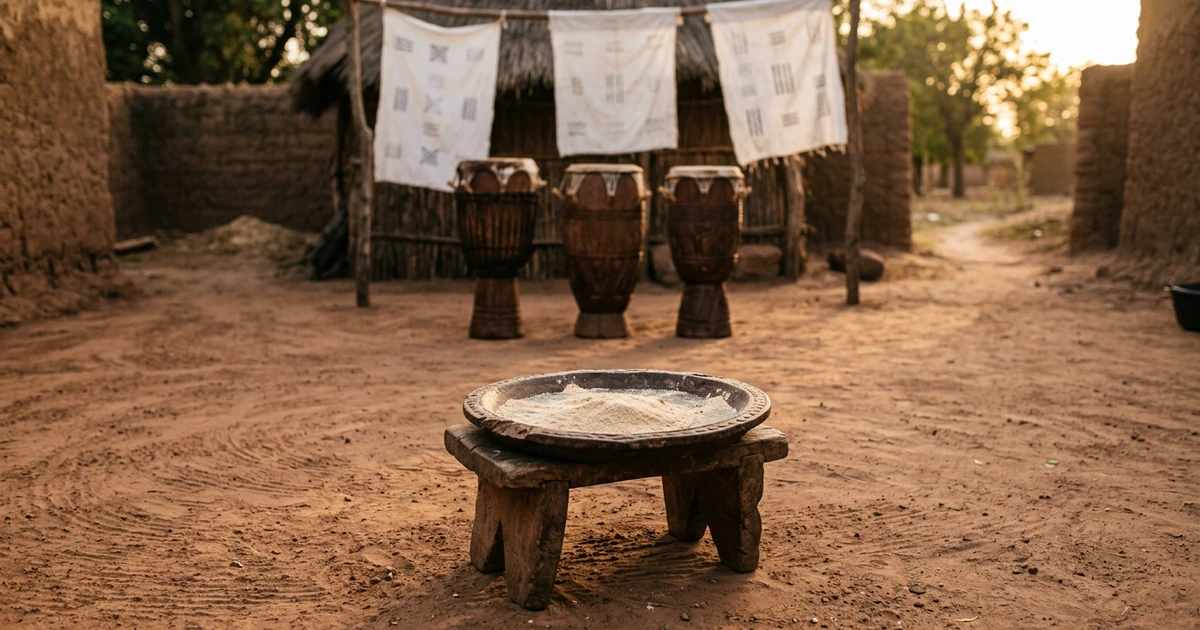
Roger Bastide did his research in Bahia, Recife and Porto Alegre between the 1940s and the early 1950s (p. 18, note 6) and published O Candomblé da Bahia (rito nagô). At the very start, he explains that the candomblés belong to different "nations", each with its own tradition: Angola, Congo, Jeje (which he spells Gêge), Nagô, Queto and Ijexá. What sets one nation apart from another, according to him, is the way the drum is played (with the hand or with sticks), the music, the language of the chants, the liturgical dress, sometimes the names of the deities, and certain features of the ritual. And he adds that Yoruba influence dominates the whole, imposing its gods, the structure of its ceremonies and its metaphysics (Bastide, O Candomblé da Bahia, p. 17). Bastide himself warns that the book deals only with the Nagô, Queto and Ijexá candomblés of Bahia (p. 18).
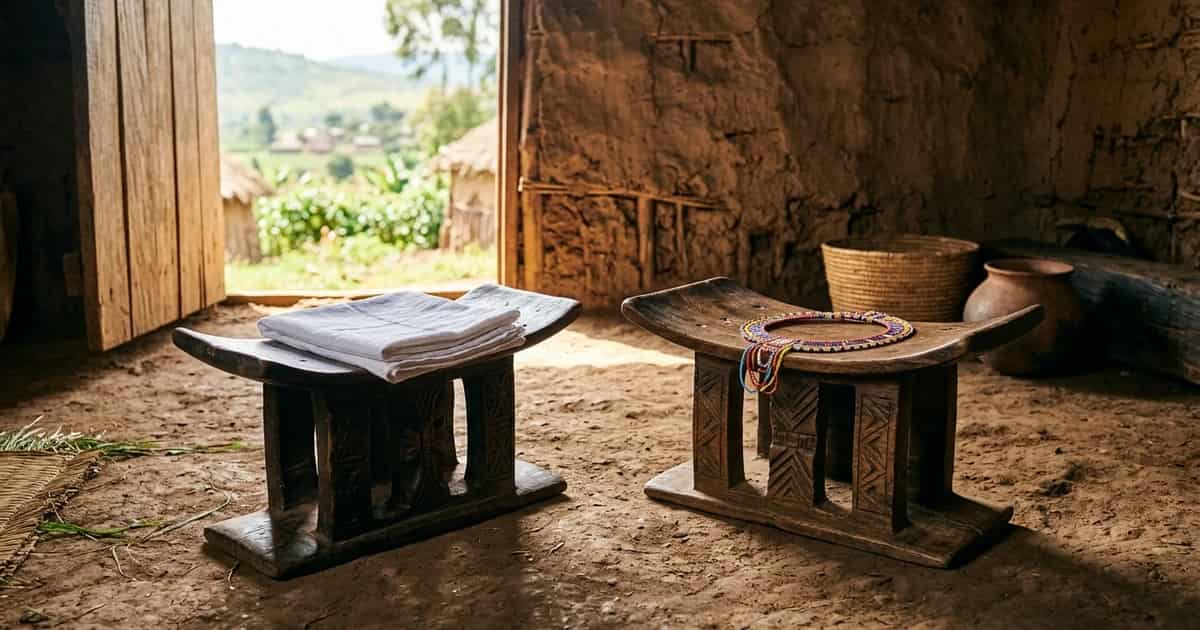
One feature of this structure matters for the comparison. In the houses of Yoruba origin in Bahia, Recife and Porto Alegre, Bastide writes, each devotee has a single Orisha, the owner of his or her head (p. 272). We have told where these houses come from in History of Candomblé in Brazil.
What the sources call Umbanda
The most direct definition is in Pierre Verger. Writing about devotion to Yemoja in Rio de Janeiro, he describes the followers of a new religion called umbanda, which blends the African religions, the spiritism of Kardec and other philosophical-religious elaborations with universalist tendencies, and he says that this movement enjoys spectacular success in Brazil and in other countries of the Americas (Verger, Orixás, p. 71 of the file).
Bastide, in the glossary of the same book, gives three meanings for the word: priests of the Bantu sects, a Bantu religion, and an African form of spiritism (Bastide, p. 357). And when he explains why he leaves Rio out of the study, he says that there the nations merged into one another and opened themselves to Indigenous, Catholic and spiritist influences, giving rise to a religion he calls essentially syncretic, the macumba (p. 18). In the glossary, macumba is the name given to the African sects, or to their ceremonies, in Rio de Janeiro, Espírito Santo and São Paulo (p. 356).
Notice what the two sources have in common: the word that keeps coming back is spiritism. It is what marks the border in the texts of Verger and Bastide.
The same Yemoja, two festivals
The best place to see the difference is the seashore. Bastide relates that in Bahia the festivals of Oshun or Yemoja are always organised, controlled and directed by a specific candomblé; the sea becomes sacred only in the stretch where the candomblé passes, and only while the ceremony lasts (p. 93). In a note on the same page, he records that the festival of the present for Yemoja also existed in Recife and Porto Alegre but had fallen into disuse, and was taken up again by the "spiritism of Umbanda"; associated with spiritism, it grew extraordinarily in Rio, in Porto Alegre and, more recently, even in Santos (p. 93, note 37).
Verger completes the picture. In Rio, Santos and Porto Alegre, devotion to Yemoja is intense on the last night of the year, when crowds light candles on the beach and throw flowers into the sea; they are, he says, followers of umbanda. These devotees made Yemoja the personification of goodness and of a stern, protective motherhood, and they picture her as a kind of fairy with very pale skin, dressed in muslin, far from the full-breasted matron of the African image (Verger, p. 71 of the file). One deity, then, with a different face, date and keeper. We have told the Yemoja of Candomblé in Yemoja, queen of the sea.
Where the paths cross
Borders are not walls. Three examples, each with its source:
- The caboclos. Bastide records the caboclo candomblés, in which the faithful receive the spirits of Indigenous people instead of the African deities, and says that they lie outside his study (p. 68, note 68). In these houses, each devotee has two entities, an African Orisha and an Indigenous spirit, which do not manifest at the same festivals (p. 272, note 54). This is neither Umbanda nor the Nagô candomblé: it is a third case, which shows how wide the border is.
- The name of Exu. Prandi notes that in the batuque of Rio Grande do Sul, Eshu is called Bará, and that there the Brazilian name Exu is reserved for umbanda, where it designates entities of the quimbanda line, believed to work for evil (Prandi, Mitologia dos Orixás, note to the myth "Bará aprende a trabalhar com Ogum", PDF p. 804). The same name, then, points to different beings depending on the house. Who Eshu is in Candomblé is in Eshu, the messenger.
- The cowries. José Beniste records that other Afro-Brazilian segments, such as Umbanda, adopted cowrie divination as an auxiliary means of consultation (Beniste, Jogo de Búzios, PDF p. 45).
And a view from outside Brazil: the historian David H. Brown, studying Cuban Santería, notes that the repertoire of Orisha attributes (fans, cutlasses, thunder axes, fly whisks) is also found "in the Candomblés and Umbandas of Brazil" (Brown, Santería Enthroned, PDF p. 202). The plural is his, and it is a good reminder that neither word names a single thing.
What we cannot say with a source
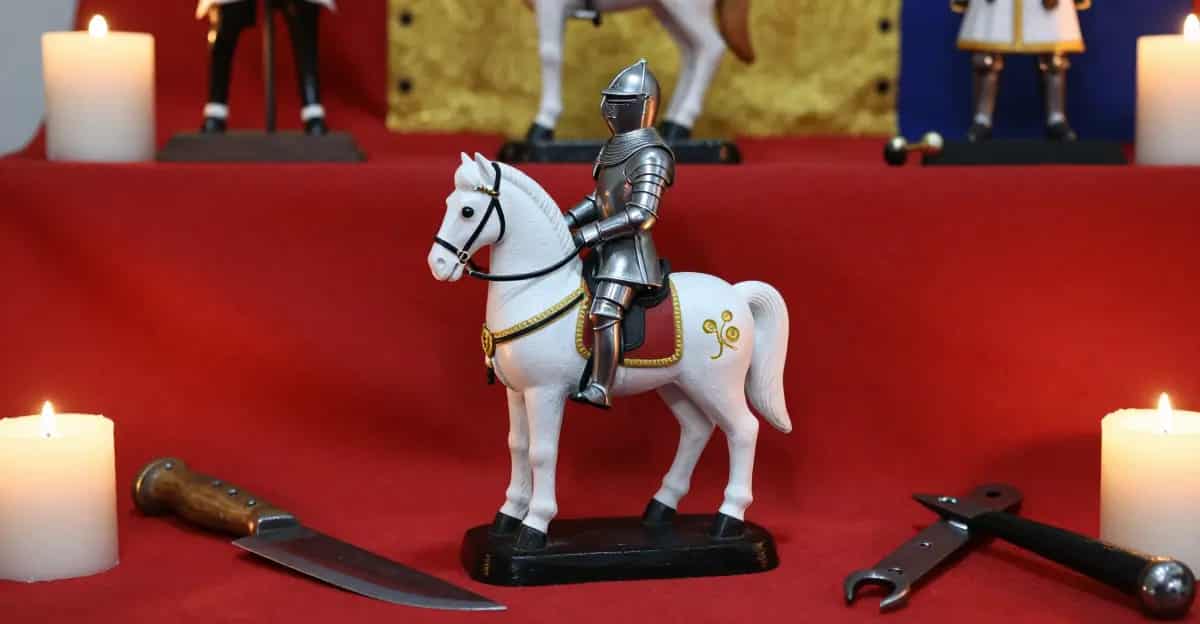
There is a much-repeated founding story of Umbanda, with a date and the name of a medium. It is not in any work in our library, so we do not tell it here. Nor do we have a source to describe the lines, the phalanxes and the other entities of Umbanda, or to compare the two religions in numbers. When we have the works, we will come back to the subject. Meanwhile, what remains is what Bastide, Verger and Prandi saw: two neighbouring religions that lend each other names and festivals, and that are not the same.
And Ifá?
Ifá is a third thing. The oracle of Orunmila, read by the babalawo with the opele or the ikin, is neither the cowrie divination of Candomblé nor the consultation of Umbanda. We explain the place of each in Ifá and Candomblé: differences and points of contact and in Opele, Ikin and cowries.
What you have read here is rooted in the 256 Odus of Ifá — the corpus we study verse by verse. Read them as contemplation: real divination belongs at the table of a consecrated babalawo.
Sources consulted
- O Candomblé da Bahia (rito nagô) — Roger Bastide, pp. 17–18, 68, 93, 272, 356–357 (printed)
- Orixás — Pierre Verger, p. 71 of the file
- Mitologia dos Orixás — Reginaldo Prandi, note to the myth "Bará aprende a trabalhar com Ogum", p. 804 of the PDF
- Jogo de Búzios — José Beniste, p. 45 of the PDF
- Santería Enthroned — David H. Brown, p. 202 of the PDF
Written by
- Pablo de Lima (Awofakan)
- Thaiana de Lima (Ikofá)
A couple initiated in Ifá in the Cuban lineage — Regla de Ocha / Ifá.
Meet the authors →Last reviewed:
Get the wisdom in your inbox
One new article a week on Orishas, Odus and Yoruba philosophy. No spam.
Unsubscribe anytime, one click from any email.
Comments
Loading comments...
You need to sign in to comment.